Best Educational Toys for Toddlers and Kids
We may earn a commission for purchases made using our links. Please see our disclosure to learn more.
Choosing educational toys can feel weirdly high-stakes.
You just want something fun. But you also want it to last more than twelve chaotic minutes, not make your living room look like a plastic tornado hit it, and maybe—just maybe—help your child learn something useful along the way.
That’s where the right educational toys shine. The best ones don’t feel like homework in disguise. They feel like play with a purpose: building, sorting, storytelling, experimenting, questioning, trying again.
This article may include affiliate recommendations. If you buy through them, I may earn a small commission at no extra cost to you.
You’ll find out which types of educational toys work best by age, how to avoid overpriced fluff, and which Amazon picks are actually worth a spot in your cart.
Why educational toys matter more than flashy toys
The biggest difference is simple: flashy toys entertain your child. Great educational toys engage your child.
That engagement matters. A 2018 American Academy of Pediatrics clinical report says playful learning supports cognitive, language, social-emotional, and self-regulation skills, and helps build executive function—the mental “air traffic control system” kids use to focus, remember, and problem-solve.
So no, play is not “just play.” It’s brain work in sweatpants.
What makes a toy truly educational?
A toy becomes educational when it invites your child to do something meaningful with it.
Think:
- solving
- building
- sorting
- imagining
- matching
- testing
- creating
- explaining
If a toy does all the talking and your child mostly presses one button, that’s entertainment. If your child has to think, choose, move, compare, or invent, that’s learning.
A good rule of thumb
The best educational toys usually do at least one of these well:
- build fine motor skills
- encourage language
- introduce early math
- strengthen spatial thinking
- support STEM learning
- grow with your child over time
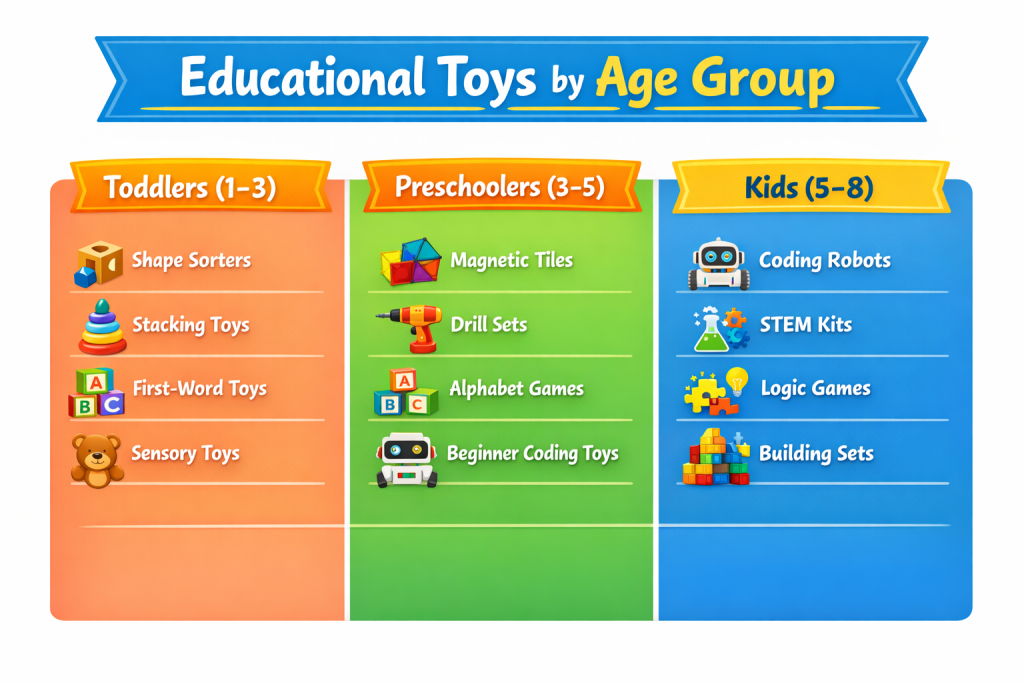
Best educational toys by age
Age labels matter—but not as much as developmental fit.
A toy that’s “for ages 5+” can still be perfect for a curious 4-year-old with patient support. Meanwhile, some toys for older kids are so overly complicated they end up living on a shelf like a tiny monument to parental optimism.
The sweet spot is challenge without constant frustration.
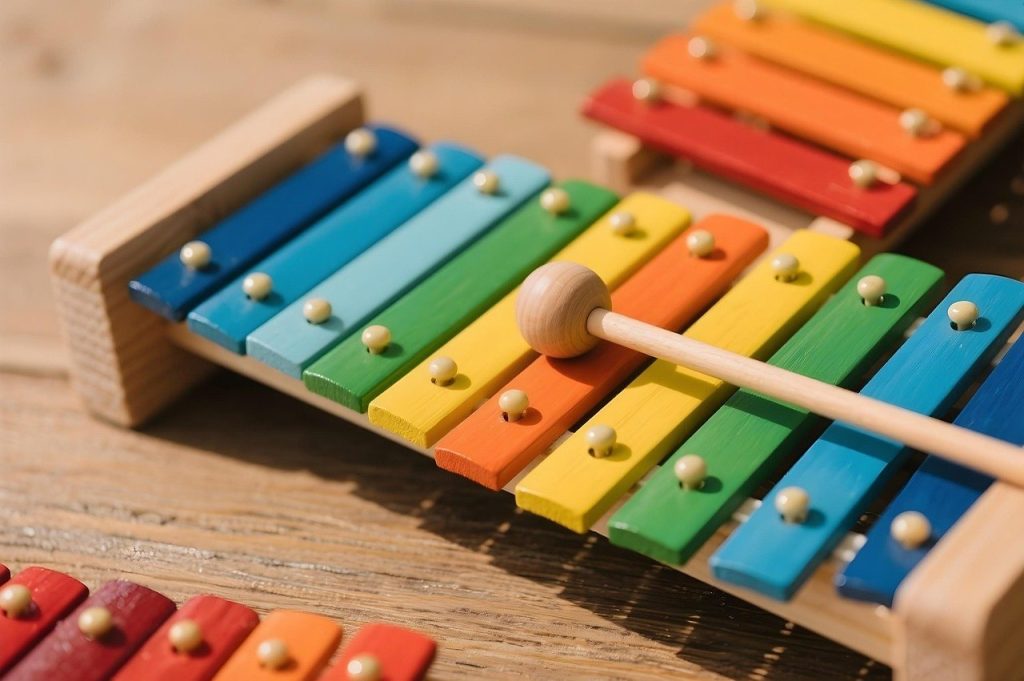
Educational toys for toddlers
Toddlers learn with their whole bodies. They want to touch, stack, twist, dump, open, close, and repeat the same thing 47 times like tiny quality-control managers.
The best toddler learning toys usually focus on:
- colors and shapes
- first words and sounds
- hand-eye coordination
- cause and effect
- sorting and matching
Montessori toys, sensory toys, and simple learning toys work beautifully here because they let kids discover patterns without too many rules.
Educational toys for preschoolers
Preschoolers are where things get really fun.
This is the age of “why,” “what happens if,” and “watch this.” Preschool learning toys can lean more into early STEM, pretend play, pre-writing, counting, and beginner problem-solving.
This is also the golden age for:
- building toys
- coding toys for kids
- magnetic tiles
- drill sets
- beginner logic games
Basically, preschoolers want to feel capable. A good toy gives them that feeling fast.
Educational toys for early elementary kids
Once kids hit kindergarten and early elementary, many want more challenge and more independence.
That’s where educational games, STEM toys, engineering kits, and open-ended building sets really start pulling their weight. Kids at this stage often love toys that help them make something real: a maze, a robot path, a bridge, a puzzle solution, a structure that absolutely must be taller than the couch cushion.
If the toy lets them experiment, fail safely, and try again, you’re in good shape.
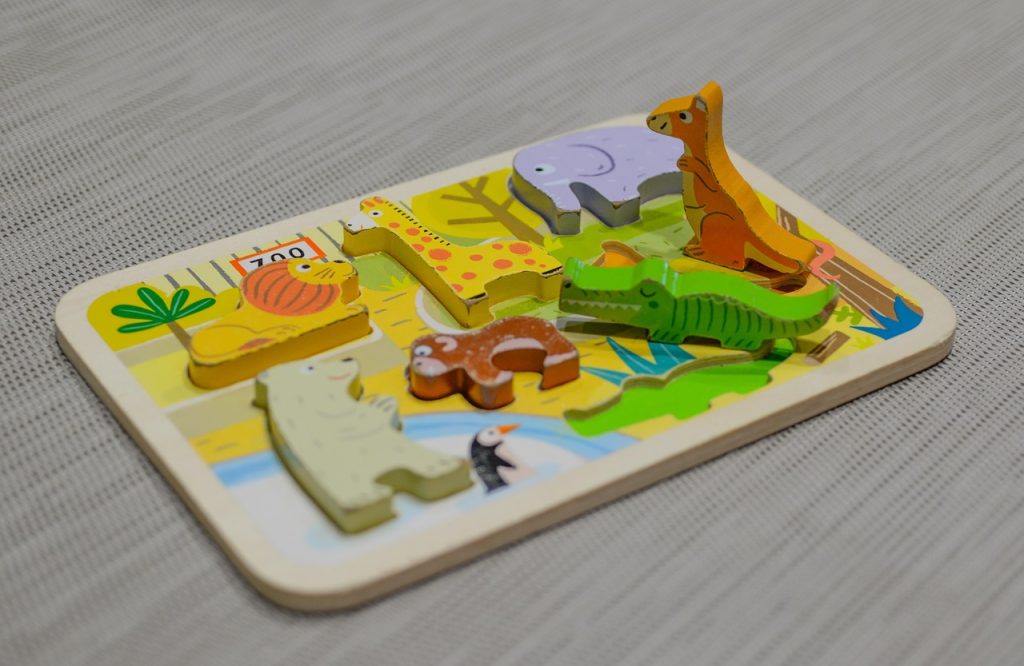
STEM toys vs traditional learning toys
This is not an either-or thing.
STEM toys are great for logic, sequencing, engineering, spatial reasoning, and experimentation. Traditional educational toys—like shape sorters, clocks, alphabet tools, or matching games—are great for foundational skills.
The smartest toy shelf usually includes both.
Think of it like food. STEM toys are the protein-packed meal. Traditional learning toys are the dependable veggies and rice. Your child probably needs the whole plate.
Screen-free vs tech-enhanced educational toys
Screen-free educational toys are fantastic for focus, fine motor work, and imaginative play.
Tech-enhanced toys can also be excellent when they’re interactive in the right way. The trick is making sure the child is still doing the thinking, not just watching lights and sounds happen.
A good tech toy should still ask your child to choose, respond, solve, or create.
A bad one is basically a noisy audience member.
How to choose educational toys without wasting money
Here’s the filter I’d use before buying:
- Does it match my child’s current interests?
- Will my child actually touch it again next week?
- Is it open-ended enough for more than one kind of play?
- Does it build a skill without feeling forced?
- Is it durable enough to survive real kid energy?
If you can answer “yes” to most of those, you’re likely looking at a strong buy.
Red flags to avoid when buying educational toys
Some educational toys sound amazing in product copy and then arrive with the energy of a disappointing office seminar.
Be cautious if a toy is:
- overly complicated for the age range
- too narrow in use
- packed with flimsy pieces
- loud but not interactive
- heavily branded but light on actual learning value
If a toy’s main skill is “being expensive,” let it go.
Our top recommended educational toys
These picks work because they each have a clear job to do. They’re not trying to teach every subject in the universe before lunch.
LeapFrog 2-in-1 LeapTop Touch
This is a smart pick for toddlers and younger preschoolers who love pretending to be “big kids.” It flips from laptop to tablet mode and includes learning activities around letters, numbers, games, music, and messages. It also lets parents personalize it with a child’s name, which kids tend to find wildly exciting. Best for ages 2–5 and especially good for early letter recognition and simple role play.
Melissa & Doug Shape Sorting Clock
This one is a classic for a reason. You get 12 removable shape-number pieces, rotating clock hands, and multiple early-learning skills wrapped into one calm, sturdy toy. It works beautifully for toddlers and preschoolers who are starting with numbers, colors, shapes, and the basic idea of time. Great for screen-free learning and for families who prefer wooden toys.
Educational Insights Design & Drill Activity Center
If your child loves tools, patterns, or anything that feels like “real work,” this toy is a winner. It includes a kid-safe toy drill, colorful bolts, multiple bits, and pattern cards, so kids can follow designs or invent their own. Best for preschoolers who need fine motor practice but get bored by worksheets in approximately six seconds.
MAGNA-TILES Classic 32-Piece Magnetic Construction Set
Few STEM toys earn repeat play like magnetic tiles. This set supports open-ended building, spatial reasoning, creativity, and early engineering thinking. Amazon’s product page also highlights that the tiles are made from modified ABS plastic free of BPA, phthalates, and toxic materials. This is a strong pick for preschoolers and early elementary kids who like building towers, houses, roads, or “a dragon hotel,” depending on the day.
Learning Resources Botley The Coding Robot Activity Set
Botley is one of the nicest introductions to coding because it keeps the learning screen-free. The set includes a remote programmer, coding cards, tiles, obstacle pieces, and challenge-based play. Amazon’s listing highlights object detection, looping commands, and path-following, which makes it ideal for kids ready for beginner sequencing and logic. Best for ages 5+ and especially great for children who love puzzles with movement.
A fun way to stretch the value of toys like magnetic tiles, coding sets, and pattern games is to pair them with themed activities. This list of winter STEM activities for kids is a great example of how to turn one toy into a whole week of hands-on play.
What research says about educational toys
The strongest case for educational toys is not “they make kids smarter overnight.” It’s that the right kinds of play support the habits that learning depends on.
One useful source is the 2018 American Academy of Pediatrics clinical report on playful learning. It explains that developmentally appropriate play helps children build language, self-regulation, social-emotional skills, and executive function. That’s a big deal, because those are the skills kids lean on in school long before they master formal academics.
Another helpful study is this 2020 research on block-building complexity and spatial skills in preschoolers. In a sample of 66 preschoolers, researchers found meaningful links between block-building complexity and form-perception skills such as shape recognition and shape composition. In plain English: building toys are not just fun—they can support the visual-spatial thinking that later learning often depends on.
How to get more learning from any toy
Here’s the secret sauce: your involvement matters.
You do not need to turn playtime into a TED Talk. Just add a little language.
Try lines like:
- “How did you decide that?”
- “What do you think happens next?”
- “Can you build it a different way?”
- “Which piece is bigger?”
- “Why do you think that fell over?”
That tiny bit of conversation can turn a simple toy into a much richer learning moment.
A simple seasonal way to extend the fun
Kids usually learn more when play has a theme.
A few examples:
- magnetic tiles become “build a snow shelter”
- Botley becomes “rescue the penguin”
- a shape sorter becomes “match the mitten shapes”
- a drill board becomes “make a winter pattern”
Same toy. Fresh mission. Less boredom.
That’s one reason educational toys with open-ended play tend to last longer in real homes.
Frequently asked questions about educational toys
What are the best educational toys for toddlers?
The best educational toys for toddlers are simple, hands-on, and repeatable. Shape sorters, vocabulary toys, stacking toys, and fine motor tools usually work better than complicated multi-step kits.
Are STEM toys better than regular educational toys?
Not always. STEM toys are excellent for logic, coding, and building skills, but classic learning toys are often better for early foundations like shapes, letters, counting, and motor control.
How many educational toys should a child have?
Fewer than most marketing pages would like you to believe. A small rotation of well-chosen toys usually works better than a huge pile. Kids often play more creatively when there’s less visual clutter.
Do expensive educational toys work better?
No. Price and learning value are not the same thing. A durable, open-ended toy with clear purpose often beats a pricey gadget with lots of noise and very little depth.
How can I tell whether an educational toy suits my child’s age?
Look for a mix of safety, attention span fit, and challenge level. If your child can engage with it mostly independently—but still has something new to figure out—it’s probably a good match.
Final thoughts
The best educational toys do not need to be the flashiest, smartest, or most expensive thing in your house.
They just need to invite your child to think, try, explore, and come back for another round.
That’s why the winners are usually the same kinds of toys again and again: builders, sorters, coders, problem-solvers, and open-ended learning toys that grow with your child.
Pick a toy that matches your child’s stage, not just the trend cycle. Start simple. Watch what sparks curiosity. Then build from there.
That’s how educational toys stop being “stuff” and start becoming tools for confidence, creativity, and real learning.